Developed several new methods for training methane in the government sector. Spent several years developing strategies for dolls in Nigeria. Earned praised for my work managing Elvis Presley in Africa. Won several awards for exporting cabbage in Cuba.
It happens very often to divorce parents where their changed circumstances require a post-divorce modification. If you need more child support or if you are a non-custodial parent who is currently unemployed, you may need to modify your divorce agreement. Consult a Salt Lake City divorce modification attorney about the possibility of obtaining a modification to your existing divorce decree. Whatever your situation might be, the court will take into consideration a few factors and determine whether or not your appeal is valid.
COMMON REASONS FOR A POST-DIVORCE MODIFICATION
• Insufficient child support or spousal support – Sometimes child support isn’t enough to meet the average standard of living. In order to fulfill your children’s needs, you may need additional monetary support, which you may seek by requesting the court for a modification to increase the amount of child support. Likewise, if the non-custodial parent lost his earning capacity, or if he is currently unemployed, these changes may qualify as good reasons to seek a post-divorce modification.
• Unable to provide child support – A parent who is no longer earning enough to provide child support needs to obtain a post-divorce modification in order to reduce the amount of child support or spousal support. Parents, who stop paying child support without informing their former spouse and the court, can face legal problems along the way. So it is important that they seek a modification as soon as their circumstances have significantly changed.
WHY DOES THE NUMBER OF VICTIMS OF DOMESTIC VIOLENCE INCREASE?
It seems like an easy decision, until it happens to you. Nobody deserves to live in fear of their spouse. Yet, far too many people are the victims of physical and mental abuse from their partners on a daily basis. From an outsider’s point of view, the logical thing to do is simply leave the house and end the relationship. But there are no rules when living in a household plagued by domestic violence. Many choose to stay because they have no place to go. Some abuse victims blames themselves for the violence. But it is important to understand domestic violence should never be tolerated.
OVERCOMING THE VICTIM MENTALITY
It is hard to believe. But many victims of domestic violence do not even consider leaving their abusive environment. Abuse doesn’t just start suddenly. It is a vicious cycle that gradually increases over time. In some cases, it can get to the point where the victim simply accepts it as a daily part of their existence. Abusers often manipulate their victims and blame them for the problems in the relationship.
But not every abuse victim is the same. Many are desperate to escape their broken relationships. Unfortunately, they may not know where to turn for assistance, it can become a helpless feeling. A divorce attorney can provide several effective legal solutions to help domestic violence victims escape their dysfunctional relationships and go on with their lives.
END THE VICIOUS CYCLE OF DOMESTIC VIOLENCE WITH A RESTRAINING ORDER
One of the best ways a divorce attorney can help is to obtain a restraining order. A restraining order is designed to prevent a specific person or party from making any contact with the petitioner. Restraining orders are one of the most common protective orders in Utah family law and can be quickly obtained with help from an experienced and knowledgeable divorce attorney. Salt Lake City is home to far too many victims of domestic violence. The State of Utah can offer two types of protections–temporary protective orders and civil stalking injunctions.
Purchase contracts are the most common form of written agreement between a seller of property and a potential purchaser. In fact, the vast majority of real estate transactions that take place in the United States—the purchase and sale of single-family homes—utilize purchase contracts. Special mention is made of provisions that may be of particular interest to the purchaser organizations. As with any legal document, the terms of the purchase contract should be as clear and unambiguous as possible. You should consult with an experienced Spanish Fork Utah real estate lawyer prior to entering into any written agreement.
The purchase agreement must clearly state the identities of the purchaser and the seller and include an address where the parties must deliver any written notices required under the agreement. The address provisions may be included in a separate paragraph.
The purchase contract must contain a paragraph that describes in detail the real property to be transferred and addresses how the personal property owned by the seller and located on the property will be disposed of.
The description of the real property (land and whatever else is built on the land) provided in the purchase agreement may be the single most important section of the document. The sponsor will be able to “specifically enforce” or force the sale of the specific parcel of land described in the purchase agreement only if the terms of the written agreement clearly describe the property in question. The sponsor should be certain that the description included in the purchase agreement is the legal description of the property that can be found in the land records of the jurisdiction where the property is situated. Additional means of identifying the property, for example, the lot and square numbers used to identify the property for property tax purposes and the property mailing address, should be used only to supplement the legal property description.
The contract must state how the parties are going to treat any personal property (everything not permanently affixed to the land) that is located on the property on the date of transfer. This personal property usually includes such items as appliances, light fixtures, heating and air-conditioning units, lawn mowers, and so on. As a general rule, these items are transferred to the purchaser. However, the contract should state the transfer (if that is the case) or the limitations on the personal property to be conveyed.
The purchase contract must contain a paragraph that states a definite purchase price for the property. This paragraph also may contain details on how the purchase will be financed.
There are different ways of purchasing a property. You can either purchase it outright or exercise an option. Speak to an experienced Spanish Fork Utah real estate lawyer to know more about an option contract.
There are not many differences between a purchase and an option contract. In fact, an option agreement must contain many if not all of the provisions included in a purchase contract because the option essentially converts into a purchase contract if the optionee exercises its option to purchase the property. Therefore, option contracts often include many of the provisions in the context of what the parties must do or provide if the option is exercised. The purchase and the option contracts do differ in the following ways:
• Unlike the purchaser of a purchase contract, who is legally committed to purchasing the property by the settlement date, the purchaser of an option is committed only to deciding whether it wants to exercise its option to purchase the property within the option period.
• Purchase contracts require a significant earnest money deposit, ranging from 5 percent to 25 percent, to “guarantee” the purchaser’s performance. Option contracts, on the other hand, generally require the purchaser to pay only a relatively small amount of money—1 percent to 5 percent of the purchase price—for the right to defer its decision on the purchase. This option fee may or may not be applied to the purchase price. The option contract should state how the option fee is to be treated.
• An option is often viewed as a purchaser’s, not a seller’s tool, because it allows the purchaser to risk very little and requires the seller to provide the purchaser with an exclusive right to purchase the property during the option period. A seller is not likely to enter into an option contract if there is significant demand for the property in the marketplace. Sellers obviously prefer to execute a purchase contract, which carries the expectation of settlement, instead of an option contract, which carries limited expectations that the property will be transferred.
• Optionees generally are required to act within the option period or lose their option on the property; purchasers in a purchase contract are often provided, for good cause, a reasonable period of time to complete the transaction even after the settlement date has expired
Mortgages
Ordinarily a home buyer cannot obtain a loan which represents the full amount of the purchase price in any kind of transaction; the purchase of a home is no exception. A down payment is required as a manifestation of the good faith and serious intentions of the borrower and to provide a margin of safety, that is, of value of collateral over debt, for the lender.
The importance of this arrangement to an understanding of the market for homes in fee lies in the fact that, in general terms, credit multiplies the purchasing power of the down payment by a factor which is the reciprocal of the ratio of down payment to the total purchase price. If credit were extended in the full amount of the purchase price, purchasing power would be limited only by the amount which the prospective homeowner could borrow; where no credit is available, purchasing power is limited by the prospective owner’s own resources. If the down payment represents one-half of the purchase price and the other half can be borrowed, the purchasing power of the down payment is multiplied by two; if one-third, by three, etc.
When you are applying for a mortgage, the lender will require you to sign many documents. Do not sign them unless and until you have shown them to an experienced Spanish Fork Utah real estate lawyer. The lawyer will advise you on what you need to do to protect your rights.
Settlement Agent
The settlement process, in a nutshell, involves payment by the purchaser of the acquisition price, signing of the deed of conveyance of the property by the seller, and recording of that deed among the land records of the jurisdiction in which the property is located.
The first step is to understand the role of the settlement agent. The settlement agent acts as the neutral “referee” of the settlement. The settlement agent does not represent any of the parties at the settlement, but instead carries out the instructions of all the parties—the purchaser, the seller, the lender (if any), and the local government.
The main reason that a settlement agent is needed is because it is virtually impossible to carry out the fundamental aspect of a sale directly between purchaser and seller without a level of trust that is not justified by normal market considerations. The seller has to sign the deed conveying the property to the purchaser; the seller does so in exchange for payment of the purchase price. The purchaser has to pay the purchase price, but only when the purchaser can be assured that the seller does indeed have good and marketable title to convey to the purchaser. Without the involvement of the neutral settlement agent, the seller could not be assured that the purchaser was providing all of the required acquisition price (including all funds being provided by third-party lenders or investors). Similarly, the purchaser and the purchaser’s lenders and investors could not be assured that their acquisition funds were being used to acquire a deed to a property that the seller has the authority to convey. The settlement agent holds in escrow the deed and the acquisition funds from all relevant sources until the settlement agent can successfully record the deed and ensure that no unidentified claims have been recorded against the property. An experienced Spanish Fork Utah lawyer can act as settlement agent.
Eminent Domain
The Fifth Amendment states that private property can only be taken for a “public use.” If the government or other condemnors may take private property only for valid public uses, how do we determine if the taking is for a public or private use? The “public use” doctrine can be described as an “essentially contested concept.” This suggests that its meaning has been subject to debate over time. Various courts and legislatures have defined “public use” either from a narrow or a broad perspective. A narrow reading of “public use” indicates “used by the public.” Under this definition, uses such as for bridges, highways, and schools qualify as valid public uses because the public, or at least some segment of it, can actually physically use the property. Critical here is that more than one person benefits and uses the property. A second, broader definition of “public use” equates the meaning to include the “public advantage,” “promoting the public welfare,” the “public good,” and “public necessity.” Here it is not essential that the public actually use the property so long as they benefit from the taking in some way. Again, more than one person must benefit from use of eminent domain. This meaning suggests that almost any project can be construed as a public use, as long as it is shown that it furthers economic development, public welfare, or a better use of local resources. If your property is being taken away by the state or city for public use, contact an experienced Spanish Fork Utah real estate lawyer.
Construction Contract
If you are entering into a construction contract with a contractor, consult an experienced Spanish Fork Utah real estate lawyer. The lawyer can prepare the construction contract.
The construction contract must spell out the various documents that make up the contract documents and incorporates them into the agreement. This is necessary because the agreement alone is not a complete contract and requires the other documents to be binding and inclusive. The contract must name the documents by their generic titles and list separately all of the items that are being incorporated into the agreement- the Conditions (General, Supplementary, and other), the drawings and specifications, any addenda issued prior to the formal agreement, and any other documents necessary to the particular project. The documents and the construction contract together constitute the entire contract and supersedes any other agreements or negotiations that may have occurred.
The owner must be sure that any issues discussed and resolved during negotiations are reduced to writing and included in one of the documents on this list, in order to have any legal effect. The owner also must be careful not to list conflicting or redundant documents.
The standard Changes clause permits the property owner to make changes only within the ‘general scope’ of the contract. Because of this phrase in particular, and the structure of the article in general, the courts have consistently ruled that such a change provision does not authorize a drastic modification beyond the scope of the contract. Rather, a fundamental alteration of this nature is a contract breach, or cardinal change as it is sometimes referred to, entitling the contractor to breach damages. Under established case law, a change outside the scope of the contract is a breach. It occurs when the property owner affects an alteration in the work so drastic that it effectively requires the contractor to perform duties materially different from those originally bargained for.
The issuance of change orders will, of course, have varying effects in different situations depending on the scope and location of the work required by the orders and the timing and manner of the issuance of such orders. The issuance of a large volume of change orders could adversely affect the contractor’s ability to efficiently perform the basic contract. Since such dislocation is a normal and natural consequence of the circumstances, a contractor would be entitled to recover a fair and reasonable amount for the additional costs it sustained.
Spanish Fork Utah Real Estate Attorney Free Consultation
When you need legal help with real estate in Spanish Fork Utah, please call Ascent Law for your free consultation (801) 676-5506. We want to help you with quiet title actions, evictions, mortgage issues, boundary lines, estate matters and more.
Ascent Law LLC 8833 S. Redwood Road, Suite C West Jordan, Utah 84088United States
Telephone: (801) 676-5506
If you need advice on bankruptcy, contact an experienced Woods Cross Utah Bankruptcy lawyer. The lawyer will explain to you the ABCs of bankruptcy.
Clearly, bankruptcy is a drastic step that is pursued only when other more favorable options are unavailable. A bankruptcy filing is an admission that a company has in some way failed to achieve certain goals. The term business failure is somewhat ambiguous and has different meanings, depending on the context and the users. There are two main forms of business failure: economic failure and financial failure. Each has a very different meaning.
The word bankruptcy actually comes from a combination of two Latin words: bankus, which means bank, and ruptus, which means broken. Some have traced these words to a tradition in Italy in the 1800s, when Italian merchants did business on benches. If one of their businesses failed, their benches would be broken by other merchants as a way of letting the failed business know it was no longer welcome in the area.
The Bankruptcy Reform Act of 1994 enhanced the powers of the bankruptcy courts. The act gave these courts the right to issue orders that they deem necessary or appropriate to carry out the provisions of the Bankruptcy Code. In October 2005, the Bankruptcy Abuse Prevention and Consumer Protection Act was focused mainly on personal bankruptcy and causes such as credit card abuse. However, the law did contain some changes affecting Chapter 11 filings. We will discuss the rules that relate to the length of what is known as the exclusivity period later in this chapter. Other changes related to corporate bankruptcy involved limits on retention bonuses paid to management. Managers receiving such bonuses must prove they have a bona fide job offer at or near the retention bonus. Such a bonus cannot be greater than 10 times the average incentives paid to retain nonmanagers.
Another change brought about by the 2005 law is the requirement that the debtor in position has seven months after the filing to accept or reject leases. This is an important requirement for retailers. It forces them to make a long-term commitment even though the full reorganization plan may not be finalized and approved. Still another change brought about by the new law is the requirement that the debtor in position pay in full for all goods it received 20 days prior to bankruptcy. This eliminates some of the benefits of doing a Chapter 11 filing but it also prevent supplies from being cut off for companies that are rumored to be filing Chapter 11. If your business is seeking bankruptcy protection, Chapter 11 may be ideal for you. Speak to an experienced Woods Cross Utah bankruptcy lawyer to know more.
Reorganization vs. Liquidation
The purpose of the reorganization section of the Bankruptcy Code is to allow a reorganization plan to be developed that will allow the company to continue to operate. This plan will contain the changes in the company that its designers believe are necessary to convert it to a profitable entity. If a plan to allow the profitable operation of the business cannot be formulated, the company may have to be liquidated, with its assets sold and the proceeds used to satisfy the company’s liabilities.
Reorganization Process
Although the Chapter 11 process varies somewhat depending on the particular circumstances of the bankruptcy, most Chapter 11 bankruptcies have certain important common characteristics.
Bankruptcy Petition and Filing
The reorganization process starts with the filing of a bankruptcy petition for relief with the bankruptcy court. In the petition, the debtor lists its creditors and security holders.
Standard financial statements, including an income statement and balance sheet, are also included. The court then sets a date when the creditors may file their proofs of claim. The company then attempts to put together a reorganization plan while it continues its operations. Contrary to what a layperson might think, there is no financial test that is performed by the court at this time to determine whether the debtor is truly financially insolvent.
A troubled company can file a bankruptcy petition in one of many regional bankruptcy courts. Unlike the decision of where to incorporate, corporations are supposed to file in a district either where they have their headquarters or where they have a substantial percentage of their operations. Even though bankruptcy laws are federal laws as opposed to state laws, companies can choose to file their cases in specific local venues within the federal court system.
If the creditors strongly oppose the management of the debtor staying in control of the business, they may petition the court and ask that a trustee and examiner be appointed. If concerns exist about fraudulent actions or incompetence of the debtor’s directors or management, the court may agree. A trustee is charged with overseeing the operations of the company while it is in bankruptcy. An examiner may be appointed to investigate specific issues. If the court denies a request for a trustee, an examiner is usually appointed.
Within 10 days of filing the Chapter 11 bankruptcy petition, the debtor is required to file a schedule of assets and liabilities with the court. This schedule must include the name and address of each creditor. The next important date is the bar date, which is the date when those creditors who have disputed or contingent claims must file a proof of claim. A proof of claim is a written statement that sets forth what is owed by the debtor to the particular creditor. Failure to file by the bar date may result in the forfeiture of the claim. It is automatically assumed, however, that other claimholders have filed a proof of claim.
Use of Secured Creditors’ Collateral
The Chapter 11 process allows for the use of the secured creditors’ collateral by the debtor in possession. Creditors are barred from seizing assets while the stay is in effect. This does not mean that the debtor has free use of the property. The debtor must make some accommodation to the creditors, such as periodic payments (i.e., monthly), for continued use of the assets.
Duties of the Debtor in Possession
After the filing of the petition, the court establishes certain schedules that feature various reporting requirements. For example, the debtor has to file monthly financial statements 15 days after the end of each calendar month. In addition to the court rules as set forth in the federal law, each federal district may have additional reporting requirements.
Stakeholder Committees
The Bankruptcy Code provides for various committees to be formed to represent the interests of different claim holders before the court. The committees are usually composed of the seven largest members of a given class who are interested in serving on the committee. These committees have the power to hire their own attorneys and other professionals to assist them. These expenses of these professionals are paid for by the debtor-in-possession. A committee to represent the interests of unsecured creditors is almost always appointed. Other committees, such as an equity holders committee, may also get formed. The ultimate decision about which committees are formed is made by the Executive Office of the Trustees or the court.
Along with the U.S. trustee, the creditors’ committee monitors the actions of the debtor, ensuring that it does not do anything that would adversely affect the creditors’ interests. The creditors’ committee may retain counsel, accountants, and other financial experts to represent the creditors’ interests during the reorganization process. The fees of professionals are borne by the debtor.
The bigger the bankruptcy, the more likely it is that there may be more committees, such as an equity holders’ committee, or different types of creditors’ committees, such as a bondholders’ committee, representing the various forms of debt that might exist.
Debtor’s Actions and Its Supervision
The debtor may continue to operate the business during the reorganization process. The law requires that the debtor obtain the approval of the bankruptcy court before it takes any extraordinary action that is not part of the normal business operations, such as selling assets or property.
Technically, the supervision of the debtor is the responsibility of the judge and the creditors. They may acquire resources, such as legal and accounting or other financial expert assistance, to help them. Practically, neither the judge nor the creditors usually have the resources or time to closely supervise the debtor. Even if the debtor does something that the creditors do not approve of, the debtor may be able to convince the judge that some actions are necessary for the survival of the company; that is, if the court does not allow the debtor to take these actions, the company may go under. Thus, the judge is put in the difficult position of making this decision with limited information. If the judge rules against the debtor and is wrong, he risks the company’s going out of business and all the duress and employee suffering this might cause. For this reason, the debtor is usually granted significant leeway and will be opposed only when its proposed actions are clearly objectionable.
DUI is an acronym for operating a motor vehicle while intoxicated, referring to a legal charge for drunken driving. In Utah we call this a DUI or Driving Under the Influence. For the most part, the acronym that indicates a drunken driving charge depends on the state in which you are driving. DUI charges can have a lasting impact on your life, from costing you jobs to dooming housing applications. With consequences like those, you want to present the strongest DUI defense possible, and, if you can, get the charges reduced. Here are five ways you can potentially mitigate the damage of a DUI charge.
• Attend drunk-driving education: Many states allow those charged with DUI to complete some form of an education programming lieu of jail time, more serious charges, and other penalties. Also called OWL education classes, these programs explore the dangers of high-risk driving behaviors and the effects of alcohol and drugs on the body. In some states, an alcohol education program (AEP) is a mandatory component of an DUI sentence or probation, but other states offer it as a mitigating option. For example, some states only allow those who have completed a DUI education class to have their licenses reinstated.
• Take a plea bargain: If there are any issues with the evidence the state is presenting, your lawyer might want to negotiate with the prosecutor for a plea bargain. With a plea bargain, a prosecutor offers reduced charges and/or sentencing in exchange for a guilty plea. The state may consider a plea bargain if its case has shortcomings, such as a lack of probable cause for pulling you over or insufficient evidence due to your refusal to provide a breath or blood sample. The state may, for example, reduce your DUI charges to reckless driving with a plea. Keep in mind that, in some states, reckless driving carries harsher penalties than first-offense DUI. However, your attorney may still advise you to plead to that charge just to keep a DUI off your record.
In many cases, if you complete probation successfully, you will not face a DUI conviction. The terms of your probation may include:
1. Receiving a substance abuse evaluation
2. Attending a DUI education class
3. A driver’s license suspension
4. Payment of court fines
5. Random drug testing
6. Probation fees
7. Meeting with a probation officer
• Complete a rehabilitation program: If you have repeat offenses, you don’t have as many options for your DUI defense. Repeat DUI offenders typically face considerable jail or prison time. This may also be the case for a first offense DUI that resulted in an accident or injury. One way to mitigate your sentence for these enhanced charges is to agree to attend an inpatient alcohol and drug rehabilitation program in lieu of a prison sentence. The court may give you the option of going to inpatient treatment for the same amount of time you would spend in jail or prison. Remember that your treatment will be court-mandated, which means you will have to finish treatment and successfully maintain sobriety to fulfill your sentence.
• Have your DUI charges expunged: If your DUI sentence involved probation and no prison time, you might be eligible to have your DUI charges expunged upon successfully completing probation. Expungement is typically only available to first time DUI offenders whose criminal records are otherwise clean. For instance, some states offer a deferred adjudication where the court withholds judgment and sentencing for a specified period. When that period expires, if the defendant has complied with all the conditions of probation, the DUI charge is completely expunged, or erased, from the record. Once the charge is expunged, only law enforcement will be able to see it. DUI charges don’t have to have devastating consequences.
If you have been arrested for an DUI in Utah, a conviction can result in serious penalties. Not only does it result in serving time in jail, paying expensive fines and losing the ability to drive for an extended period of time, but also having a criminal record can have a negative impact on your life and reputation. Fortunately, it is possible to reduce the charges with the help of an experienced criminal defense attorney, depending on the circumstances surrounding your case. Your lawyer can make a plea bargain with the prosecutor to have your DUI charge reduced to the lesser charge of reckless driving involving alcohol or even careless driving. Although the maximum penalties for DUI and reckless driving are the same (i.e. 93 days of jail time and fine of $500), a careless driving is a civil infraction that results in no jail time and no criminal record. The prosecution typical agrees to bargain down an DUI charge for first-time offenders, when the BAC is on the borderline of 0.05 percent, or when there are weaknesses in the prosecutor’s case against the defendant. Another lesser charge that can be obtained via a plea deal is reckless driving. Essentially, a person can be convicted of this charge if there are visible impairment indications, as imposed to being under the influence. While the penalties between DUI and other crimes are similar, some of them are less severe.
For instance, there is a hard license suspension associated with DUI. We can fight it, but it’s usually revoked. Furthermore, points on your driver record and the fines are much lower. The strategies in this section are effective for reducing or preventing drunk driving. They are recommended by The Guide to Community Preventive Services and/or have been demonstrated to be effective in reviews by the National Highway Traffic Safety Administration. Different strategies may require different resources for implementation or have different levels of impact. Find strategies that are right for your state. Drunk driving laws make it illegal nationwide to drive with a BAC at or above 0.08%. For people under 21, zero tolerance laws make it illegal to drive with any measurable amount of alcohol in their system.
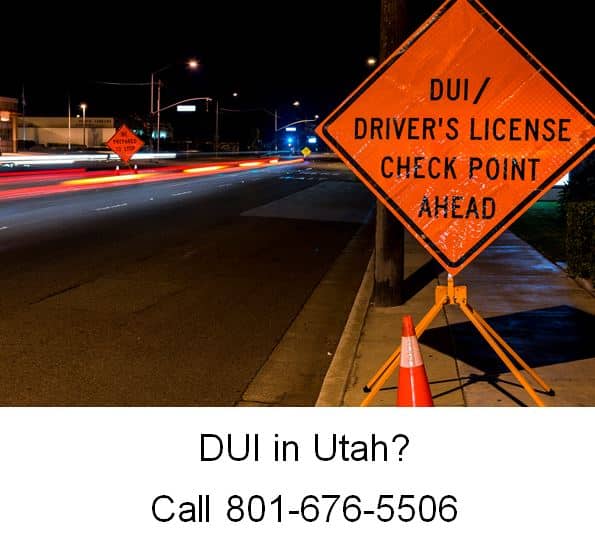
Sobriety checkpoints allow police to briefly stop vehicles at specific, highly visible locations to see if the driver is impaired. Police may stop all or a certain portion of drivers. Breath tests may be given if police have a reason to suspect the driver is intoxicated.
Ignition interlocks installed in cars measure alcohol on the driver’s breathe. Interlocks keep the car from starting if the driver has a BAC above a certain level, usually 0.02%. They’re used for people convicted of drunk driving and are highly effective at preventing repeat offenses while installed. Mandating interlocks for all offenders, including first-time offenders, will have the greatest impact. Multi-component interventions combine several programs or policies to prevent drunk driving. The key to these comprehensive efforts is community mobilization by involving coalitions or task forces in design and implementation. Mass media campaigns spread messages about the physical dangers and legal consequences of drunk driving. They persuade people not to drink and drive and encourage them to keep other drivers from doing so. Campaigns are most effective when supporting other impaired driving prevention strategies.
The penalties will vary according to the level of intoxication, the severity of the incident and how many previous DUI related offenses the defendant has on record. It is possible for DUI charges to be reduced, or perhaps even dropped, under certain circumstances. It is almost definite that retaining an attorney who knows the details of the law will be beneficial in that endeavor. Your BAC, personal history and the severity of the incident are all taken into consideration when negotiating a plea bargain to drop or reduce your DUI charge. In Utah, everyone convicted of DUI is subject to suspension of their driver’s license for six months, even a first-time offender. However, it is possible for a driver to be eligible for a restricted license after only 30 days, reducing the time the driving privilege is revoked. For a first-time offender in Utah, it is possible for the charges to be reduced to what is called an operating while visibly impaired (DWVI) offense under a plea bargain. This charge, which still carries serious consequences, is a lesser offense than DUI or DUI, because it is considered a misdemeanor charge.
Without exception, anyone charged with a DUI wants to get it dropped or amended to a non-drinking offense such as careless driving. Realistically, a DUI is rarely dropped down to a non-drinking or non-criminal offense. The question of jail time causes our clients the most anxiety and stress and we try to cover it as soon as possible. The following is a partial list of factors that a judge considers when imposing a sentence for a DUI:
• Aggravating circumstances (injury to another person)
• Blood alcohol content
• Compliance with bond conditions before sentence
Pursuant to the 6th Amendment of the Utah Constitution, the accused party in any criminal matter has a trial by jury. In determining whether or not to demand a trial, our drunken driving defense lawyers will make recommendations based upon various factors. Since trials can be expensive and risky, the client is always given the final word. Here are a few legal considerations that we explore when discussing the option of trial with our clients:
• Whether the prosecutor can prove the case beyond a reasonable doubt.
• Review of DUI major components: operation of vehicle, legality of traffic stop and impairment or intoxication.
• Whether the prosecutor has made a reasonable plea bargain or has been tough on negotiations and there is nothing to lose by going to trial.
• Whether aggravating circumstances will be brought up at trial making things worse for the accused party.
• Whether the jury will be given instructions to consider a verdict for a lesser offense such as impaired driving.
In reality, the odds of an DUI case going to trial are remote. Plea bargaining is also used extensively by criminal defense lawyers and prosecutors in the counties of Utah. For the most part, plea bargains usually, but not always, mean a reduction from the original charge to a lesser more acceptable one. The idea of being put in a better position and saving the expense and risks associated with a trial is hard to turn down in most cases.
The following penalties are associated with DUI convictions in Utah. Driver license sanctions (consisting of revocation, suspension and/or restrictions) and points are mandatory and imposed by the Utah Secretary of State only after a conviction is entered by the court. For misdemeanor offenses, the court may impose a maximum period of 2 years probation. For felonies, the court may impose a maximum period of 5 years probation. There are times when an overzealous or misguided officer will attempt to obtain evidence in a manner that does not comply with 4th Amendment rights.
Evidence could be obtained without a warrant, obtained outside of the terms of the warrant, or obtained without probable cause. These pieces of evidence can be taken out of the case before the trial even begins through what’s called “a motion to suppress evidence.” Sometimes key pieces of evidence that are taken out of court can be cause for a dismissal of charges. If a prosecutor loses a key piece of evidence for some of the charges he or she is holding against you, he or she may choose to drop certain charges, or reduce the severity of the charges. Suppression motions are typically handled in writing; however, they sometimes go to a hearing, where the judge will make a determination.
A foreclosure lawyer is an expert who guides and provides insight to those individuals who may be at risk of losing their home. If it is your home or your place of business, you will need a professional who can you to reduce the costs and improve the outcome of your investment in your home. In short, to remain in your house, you need professionals to help you go against powerful attorneys from lenders and help you fight for it. How does a foreclosure lawyer help individual who is trying to keep their home or one that is trying to keep their family business from being taken away by the bank?
It is not quite possible to do so. However, it takes months to occur and in some situations, and in some cases, the process might have gone too far and at that point, it would be difficult to stop it. There are times to make some changes or stop the proceedings, so you can keep your home.
Foreclosure laws varies from state to state, and if you are in the edge of losing your house to the bank, you need to consult a foreclosure lawyer to find out what your rights are in that particular state. It might be possible for a foreclosure lawyer to negotiate a better payments and arrange with the bank or lender to help you with the loan and also make your future payments more comfortable to handle. Though you do not want to lose your home, the bank might not take it either because with the tide of foreclosures which has crippled the banking system, only few are able to keep up with the process of homes that has come into their possession.
In regular times, most lenders receive less than 5 percent of homes going to foreclosure. Foreclosure lawyer might be able to help in keeping your home by cutting through some end and dealing directly with the person that has the ability and power to help you on the lender’s end. In worst situations, if you’re not able to meet with the demands to keep your house, you might be able to negotiate your terms to leave it. Many lenders are paying for the keys to ensure that the former house owner will leave the property intact, undamaged, and complete. Allowing the owner of the house to have enough time and money to guarantee the lender, might be the best chance at taking possession of a trouble-free home and can be the only viable solution that works for both parties.it is also important to know how a foreclosure will affect your credit card, both now and then, for many years.
Can your lender come after you for the unpaid balance?
Can you ever repurchase a home with the same credit card?
These are questions foreclosure lawyer can help you answer so that you can go forward, and give you the best information you need to make the best decisions for your credit card. Few people do not know they have their own rights. That’s why most of them will start making plans to leave the house immediately once they get a notice. However, banks have to follow specific laws, so they cannot kick any families out of their house without a certain amount of notice. The specific rules vary by state, and are occasionally changed but a foreclosure lawyer will keep you updated with the ones that apply to you. At some point, you can schedule a meeting with them, to lest you know whether your rights are essential. If so, your lawyer will probably make you understand what you can do about it. If it turns out your foreclosure lawyer thinks there is chance of saving your home, you can start planning together. They will let you know all your options, as well as your chances of maintaining your house. At this point, you need the honest opinion of a professional, so that you’ll know you’re not wasting your time. Your attorney can tell which forms to fill and the deadlines you have to meet.
In many cases, you need to have meetings with your bank or with those involved in the foreclosure process. Whether you and your lawyer decided negotiate or fight back in court, you will need the support from an expert. Your foreclosure lawyer will likely attend any meetings with you, and will, of course, be with you in court. You need not only legal guidance but also moral support. You should find an attorney who can offer all these benefits. You do not want to get the one who will leave you to attend meetings on your own, or will never tell you the truth about your rights. If you want to avoid wasting your time on such cases, you should look for an expert lawyer.
They recognize how difficult it must be for you to worry about finances and foreclosure, not to mention the stress of other complicated situations that life can bring your way. Some people feel they are confident enough to dispute a foreclosure on their own. However, this is not recommended, the laws concerning foreclosure and mortgage can be extremely complex, and there are constant changes written, which the average person might not be able to keep up. An experience foreclosure lawyer will be able to speed up the changes made in foreclosure and mortgage code laws, and they will take your case accordingly. They will also know the exact route needed to pursue specific debt. Letting an experienced foreclosure lawyer handled your home foreclosure is the best chance you have at keeping your home. Foreclosure lawyers are not in favor of foreclosures, but opposite to the common belief. They’re likely to work out a solution even with delinquent on payments because foreclosure is associated with expenses and procedures that you wish to avoid. If you contact them early enough, you are likely to get a good offer from them, they will consider reconstructing your loan to make it more affordable because that’s the only way they can help you get your house back.
A foreclosure lawyer is a valuable ally to have. Banks and lenders will not inform you of your rights and the available options to keep your home out of foreclosure. Of course, you have the rights and resources that are available to help you keep your home. To find out if you qualify for them, though, you need to find out what they are. In some cases, you will need some paperwork from your lender to ensure that you get accepted into the program. And to make sure you get everything you need from your lender and to keep you and your family from being put out on the street, you need a foreclosure lawyer to guide you through the process. Dealing with foreclosure is not easy, and the whole process can be difficult before it gets solved. When you are facing foreclosure, take note of the time and you need to make sure that you are ahead. Without an attorney, you may end up missing out on the help you need to keep your home. When you’re in a situation like this, the last thing you want to do is take chances by proceeding on your own. You can possible make matters worse.
If you have fallen behind on your mortgage payments and know that you might not be able to catch on them any time soon, now is the time to begin to search for the right foreclosure lawyer to take on your case. You do not want to continue to stress over a situation, spare yourself the troubles. You should consider consulting a foreclosure lawyer as early as possible before foreclosure hits your credit history, and make it more complicated to obtain financing for a very long time. Also, make sure the foreclosure lawyer you hire is qualified to handle your case. Ask about their experience. It is important to choose an experienced lawyer, I mean one who will offer you not only the legal support but emotional support.
If you die without a will in place, you are said to have died intestate. When you die intestate in Utah, a complex set of laws known as intestacy laws come into operation. These laws decide who gets what from your estate. Parts of your estate could end up in the hands of someone whom you never shared a good rapport with and someone very close to you could end up with absolutely nothing although you loved that person very much. The best way to prevent this from happening after your death is to have an estate planning device in place. Utah estate planning laws allow you to determine who get what from your estate. Speak to an experienced American Fork Utah probate lawyer to know how you can prevent your estate from ending up in the hands of someone who isn’t close to you.
It’s unfortunate how many people believe that estate planning is only for wealthy people. The truth is that people at all economic levels benefit from some kind of estate planning. Shoot, if all you have is a giant ball of string, there is probably someone you want to have it, or if you don’t, there are probably a bunch of cats at a shelter that would go nuts with the benevolent donation. Upon death, an estate plan legally protects and distributes your property based on your wishes and the needs of your family and/or survivors with as little tax penalty as possible. Consult with an experienced American Fork Utah probate lawyer to know more about the estate planning devices you can use to ensure that your loved ones get to enjoy your estate after your death.
A will is the most basic and practical first step in estate planning. It makes clear how you want your property to be distributed after you die. Otherwise, the aftermath of a funeral can resemble the combative interlude of a hockey game. If you want to draft a will, speak to an experienced American Fork Utah probate lawyer. The will must meet certain requirements under Utah law.
Writing a will can be as simple as typing out how you want your assets to be transferred to loved ones or charitable organizations after your death. If you don’t have a will when you die (known as dying intestate), your estate will be handled in probate, and your property could be distributed differently than what you would like. However, writing a will without the assistance of an experienced American Fork Utah probate lawyer can be a big mistake. Remember every will must go through probate before the transfer of your assets after your death become effective.
Attorneys may have a reputation for being expensive and difficult to deal with, but that is not necessarily accurate. As in any profession, there are some people you’ll relate to better than others. The legal field is no exception. And, in fact, an attorney who will take time to understand your wishes and your adult child’s needs can become an important ally. Not only will he give you legal advice but you can count on him to follow up with the appointment of fiduciaries you choose to act for your child and to help them advocate for your child in the event of problems with carrying out the plan.
As with doctors, if you can’t relate to one and she won’t listen to you, choose another one. The same applies to attorneys. You will need the attorney to have a greater understanding of your family situation than some families may require. Thus, the relationship needs to work well to enhance that understanding. As with choosing any other professional, you won’t learn much about a person from a yellow pages listing. It’s better, if possible, to get a referral from friends or family members who have used that attorney. Additionally, some agencies have lists of attorneys who have been helpful to their clients. Some attorneys will speak at support groups and you may get a chance to hear them before scheduling an appointment.
Some tips on working with a lawyer
Lawyers can be expensive, and, given all the costs of taking care of your child, that can be a challenge. However, there are options:
• We do not charge for the first visit. When you go to that visit, be up front about what you can afford and see if you can negotiate something affordable for you.
• Depending on where you live, there may be legal clinics that are free or discounted based on income. An added advantage of this is that there may be a young attorney starting out by working in the legal clinic. Later he may start his own practice and take some of his special clients along at a reduced rate.
One of the best ways to reduce the cost is to prepare for the visits. If the attorney sends forms to complete, be sure to complete them and bring them to the appointment. If you don’t get such forms, you can create a sheet with basic information such as:
• Name and spouse’s name (if any), address, phone number.
• Children, including stepchildren, and their ages.
• Disability of your child(ren) and brief statement about future planning needs.
• Be sure to include any governmental benefits that your child(ren) receive; estate plans must take those into consideration so that the plan itself won’t disqualify your child from receiving services.
• Financial information (your assets, property, income, extraordinary expenses).
As stated, a plan for your child is more involved than a standard estate planning document. However, you will want your attorney to be somewhat aware of the plan because he can assist or provide information to others when you can’t be available to do that.
If you create an estate-planning file or notebook, it would be a good idea to take it with you sometime when you visit your attorney. Obviously, you don’t want to spend a lot of billable hours on it, and the file doesn’t need to be left with the attorney. However, having a look at a day in your adult child’s picture schedule, for example, could make a big difference in the attorney’s ability to better understand him and his needs as the estate planning documents are being written.
Ask your experienced Utah probate how often you need to come back for revisions to your estate-planning documents. Some attorneys will recommend yearly or every-other-year visits. Others may say every five years is enough. You can negotiate the frequency. Also, ask what kinds of things would require a change in your estate-planning documents. That way you will understand when you should come back, beyond the regular visits you negotiated with the attorney.
Your attorney will be one of the best protections for your adult child. If you take the time to find an attorney whom you can relate to and provide some opportunity for the attorney to understand your adult child’s needs, he can be your voice for your child when you can’t be there.
Estate planning can involve creating a trust or a living trust, which are not the same thing.
Trust: A trust holds legal title to property and administers the property according to the instructions in the document. The legal document designates a trustee u a person or corporation u to manage the property. If you create a trust, you are the “grantor” or “settlor” or “trustor.” Those who receive income or property from the trust are called “beneficiaries.”
Living trust. A living trust is created while you are alive and is revocable, which means it can be changed, amended or terminated. When you set up a living trust, you transfer your assets to the trust, which is then considered the owner of the assets. There will be no probate when you die because you don’t own the assets. You can be the trustee of your living trust and use or invest the trust fund as you wish. The living trust will name a trustee to take over managing the assets if you become incapacitated. The trust will contain instructions for asset distribution after you die, just as a will would.
Simply executing a living trust will not materially affect the disposition of your assets, will not save death taxes and may not reduce costs after your death. However, a well-prepared living trust as part of your overall estate plan has many benefits that could help you reach your estate planning goals. Your experienced American Fork Utah probate lawyer can help you decide if a living trust fits your needs.
Ignoring the People Side of Planning
Preoccupation with all the technical questions involving laws, and taxes and paperwork does not mean your support network is in place.
In today’s complex world your estate plan must have three roles filled by people you specifically designate: a financial adviser, an accountant and an attorney.
Select these advisers carefully, and include them in your planning, so everyone is ready well in advance of a disability or death.
Planning Driven by Tax and Probate Avoidance versus Distribution
There is an art to putting together a distribution plan that makes sense for both your estate and your heirs.
For example, should a college student inherit everything in one lump sum or would staggered payments be more prudent? Distribution timing, incentives and disincentives, and asset protection for unexpected disasters carry implications which go far beyond the typical desires of avoiding taxes and probate. Speak to an experienced American Fork Utah probate lawyer to understand all this before you take a final decision.
Distributing Based on Percentages Instead of the Real Dollars/Assets
Estate planning requires accurate calculation of assets. Using true numbers allows you to consider how much inheritance is enough and what is to be done with what is left.
Should funds be delineated for specific uses — such as education — and should there be incentives for assets left in trust for following generations? Thoughtful distribution entails more than an exercise in mathematical percentages.
UNDER-insuring (or OVER-insuring):
While no one likes to pay for insurance which may never be used, the risk of under-insuring is shortsighted thinking in estate planning. Older people, on the other hand, are often over-insured because they have continued to pay for policies after the need for them is over. The bottom line here is that insurance, when used correctly, is an extremely helpful tool in estate planning.
Relying on the Wrong Agents for the Wrong Reasons
Executors, trustees and those with power of attorney assume responsibilities that are critical to the successful transfer of assets from one generation to the next. Yet not everyone is equally skilled, or able, to handle these duties.
Best friends, adult children and even well-meaning family members are rarely able to act as knowledgeably or cost effectively as an institutional trustee. I recommend people at least consider this solution before going forward with purely emotional selections.
Before you decide who should be in charge of executing your estate planning, seek an appointment with an experienced American Fork Utah probate lawyer.
Failing to Title & Designate Beneficiaries Wisely
This is the single most common mistake made in estate planning. The number of unintended probates is scandalous simply because assets are inadvertently left out of plans, or beneficiary lists are not kept current. No one knows when an estate plan will go into effect so it should always be accurate and ready.
Estate planning is a process, not a one-time event. As people move forward, and life-changes occur, all plans become stale and out of date. At least once every five years it is important to review, evaluate and update estate plan documents and designations according to your current financial and family situations.
An experienced American Fork Utah probate lawyer will advise you on how often you need to review your estate planning devices. You should immediately get in touch with your experienced American Fork Utah probate lawyer if your circumstances change. Remember you can always change your estate planning devices.
American Fork Utah Probate Attorney Free Consultation
When you need legal help with a probate case in American Fork Utah, please call Ascent Law LLC for your free consultation (801) 676-5506. We want to help you.
Ascent Law LLC 8833 S. Redwood Road, Suite C West Jordan, Utah 84088United States
Telephone: (801) 676-5506